Oudh 1722
Please remember to subscribe to the Alfie Foodwala Facebook, TikTok, and Instagram pages, tag, and please share with six people if you like this review. message me if you have constructive feedback.
If you would like to “Eat with Alfie Foodwala”, please email me at alfiefoodwala@aol.com
Furthermore, please let me know if you know of a restaurant I should review.
The Difficult Second Album
“پہلی کامیابی تو صرف ایک شروعات ہے، اصل کمال تو اگلی منزل کو فتح کرنا ہے۔”
The first success is only a beginning; the real mastery is conquering the next destination
The first album is the passion project.
It is fuelled by hunger, obsession, bloody-mindedness and all those years when nobody was listening. You can sleep on floors, rehearse until 3 am and survive on Pot Noodles because failure is simply not part of the conversation.
Then the first album becomes a hit.
Suddenly there are expectations. And expectations are heavy things.
The second album is where we discover whether the first was genius, luck, sheer force of personality, or whether there was actually a band underneath it all.
Restaurants, I have discovered over the years, suffer from exactly the same affliction.
A great restaurateur can drag one restaurant over the finishing line through sheer bloody-mindedness. They know every member of the staff like their own family, taste every sauce, notice every dirty light fitting and somehow appear at table seven precisely when Mrs Jones has decided her lamb is overcooked.
The second restaurant is different. Now you need systems. You need culture. You need standards that exist when the boss isn’t standing over the stove. And, most importantly, you need to prove that the magic can travel.
Which brings me neatly to Aktar Islam.
His Birmingham restaurant Opheem has two Michelin stars. Oudh 1722 is his first London restaurant, but rather cleverly it isn’t simply Opheem outpost with a London postcode. Islam has described the two restaurants as sitting at opposite ends of his culinary spectrum: Opheem looks towards the future of Indian cooking; Oudh looks backwards towards the classical cooking of Awadh.
I wasn’t particularly interested in whether Aktar Islam could cook. That question has already been answered by people with considerably sharper palates than mine.
I wanted to know whether the difficult second album could play.
From Birmingham to Lucknow, via Dubai
Oudh takes its name from Awadh, whose royal kitchens in Lucknow developed one of the great aristocratic cuisines of the Indian subcontinent.
It is a cuisine of patience rather than chilli-induced violence: dum cooking, aromatic gravies, silken kebabs, saffron, dairy, meat, perfume and slow heat.
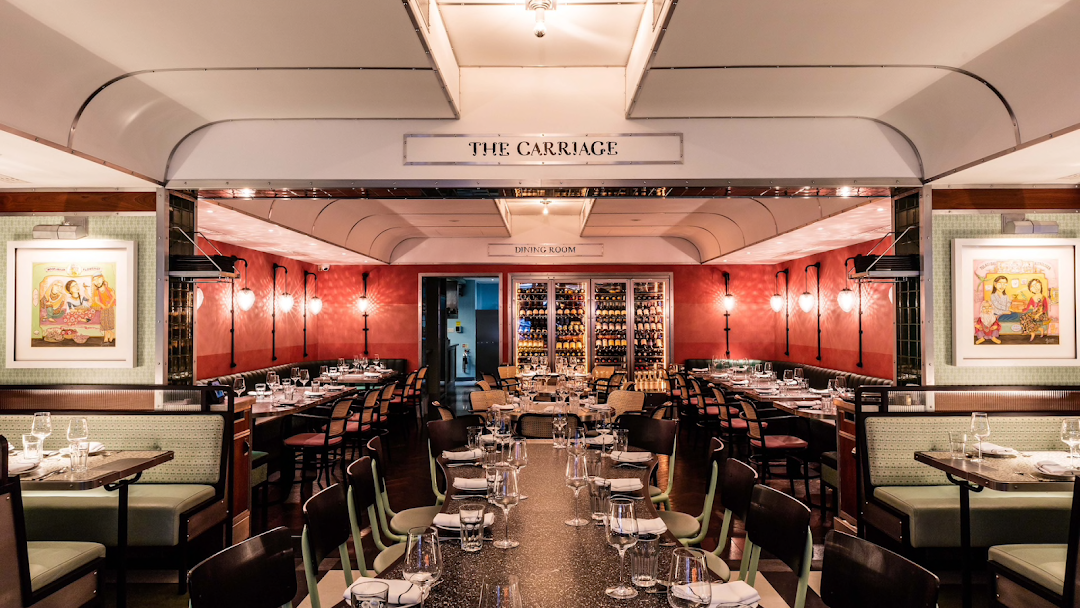
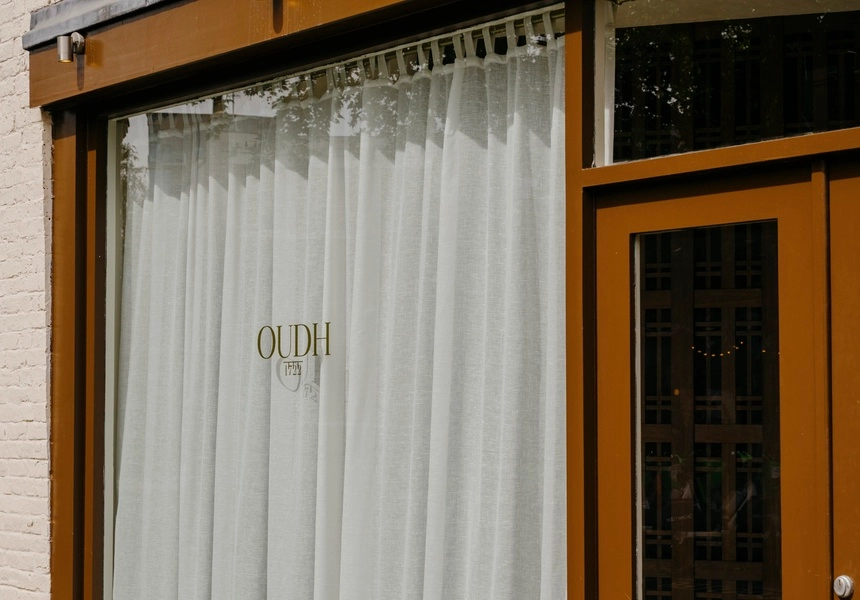
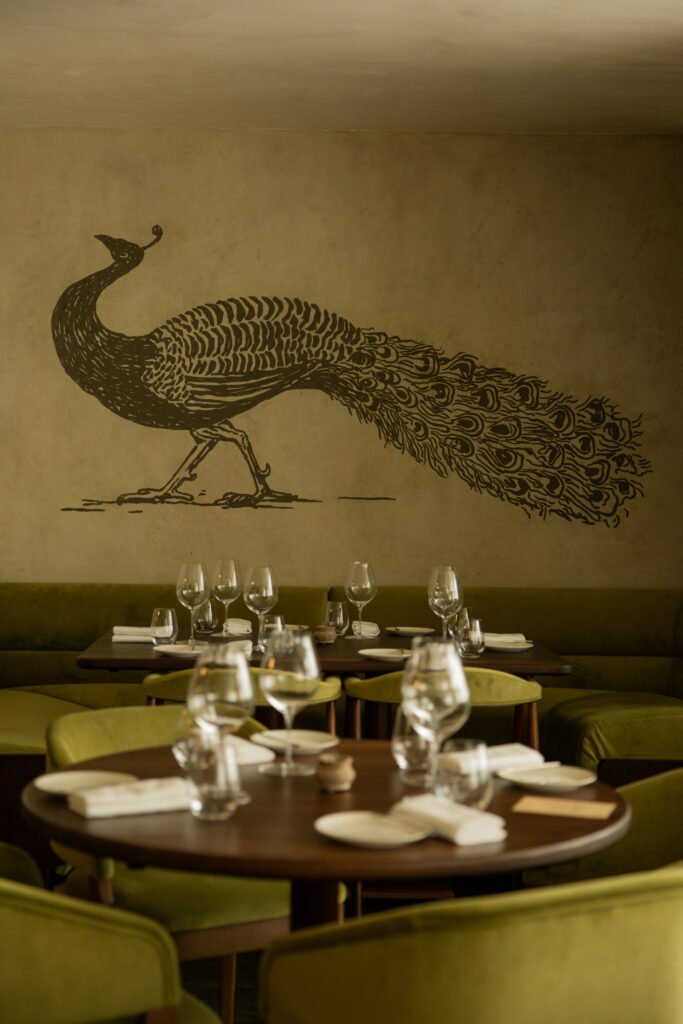
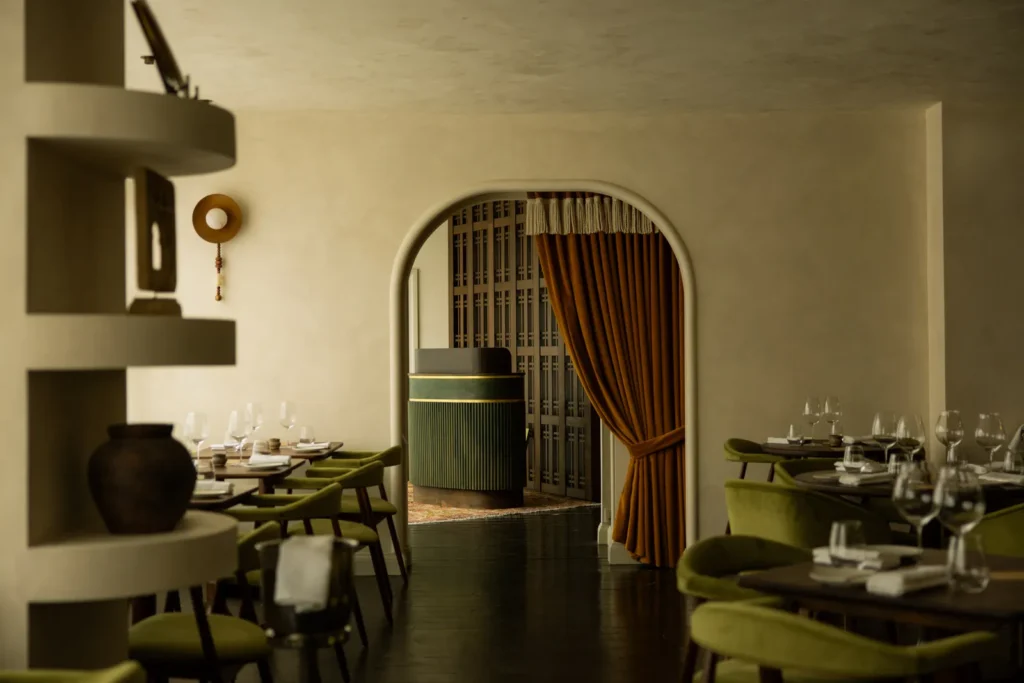
And yet, walking into Oudh didn’t transport me to Lucknow. It transported me somewhere altogether more international.
Dubai chic.
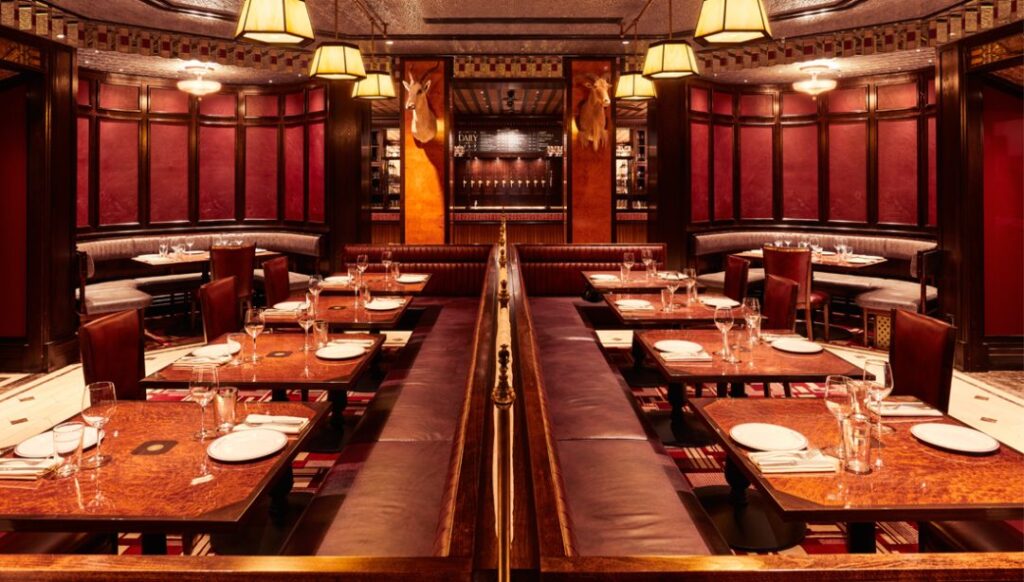
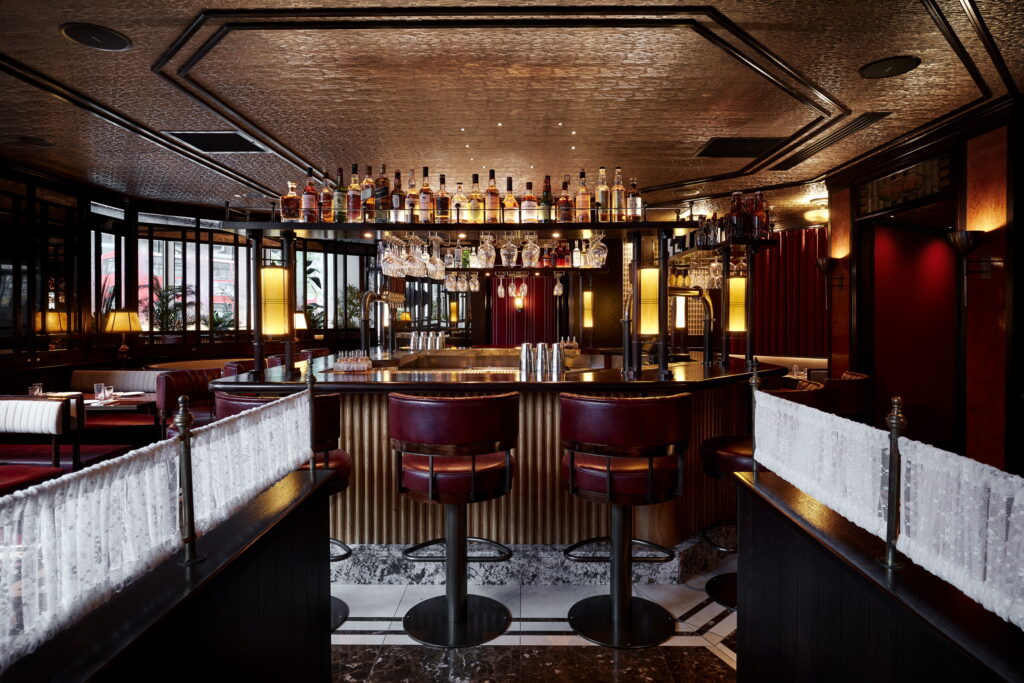
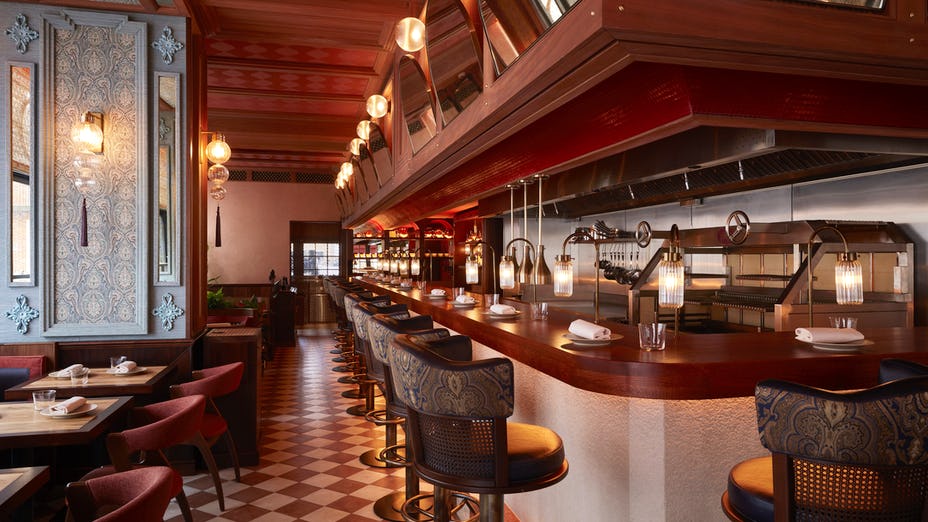
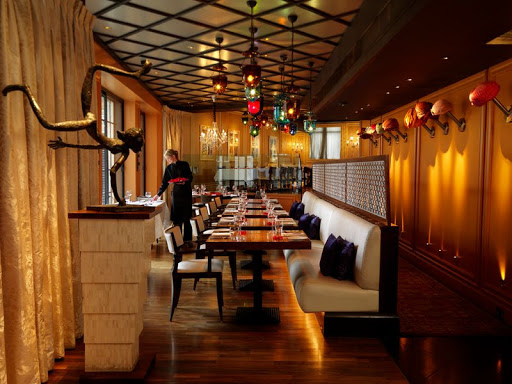
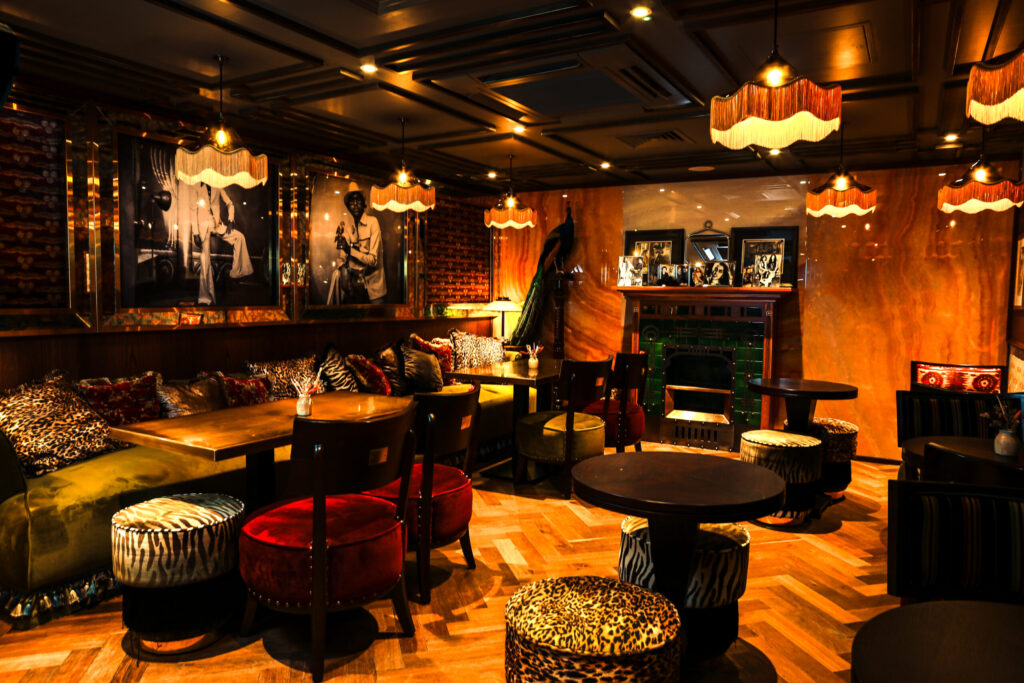
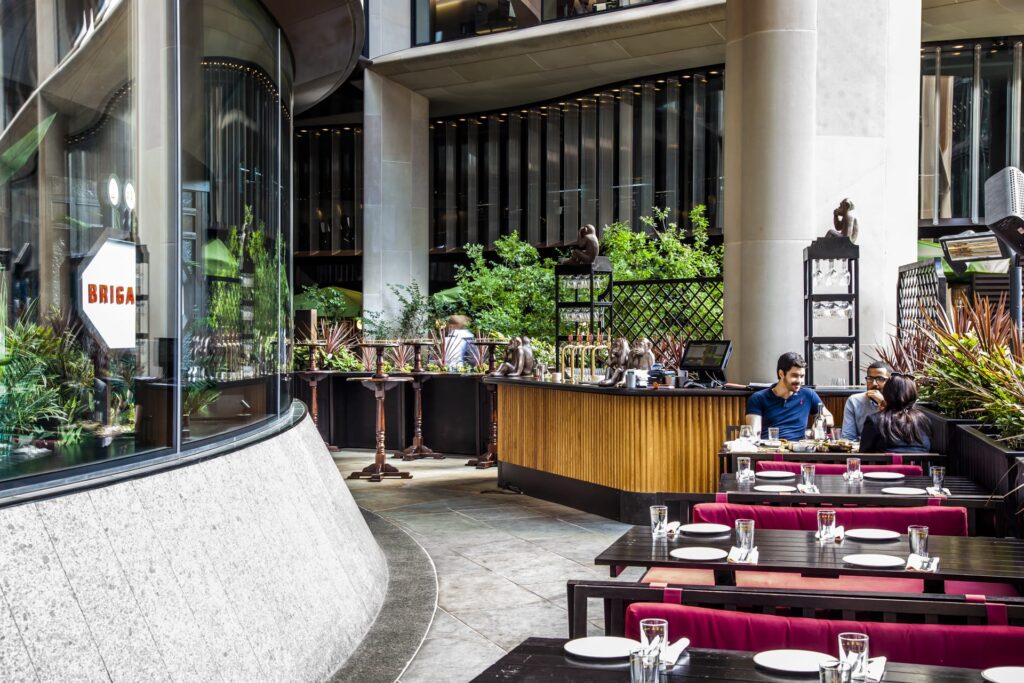
Smart, polished, contemporary and expensive-looking without being particularly ostentatious. The dining room is relaxed, functional and handsome. The crowd on my visit was an interesting cocktail of affluent London foodies, business types and well-dressed British Asians.
The welcome was warm and the service polished, but importantly without that slightly glassy-eyed smile of the London Michelin crowd — the sort of hyper-professional service where everyone appears to have graduated from the International Academy of Correctly Placed Cutlery.
These were human beings. I liked that.
And then the food started arriving.
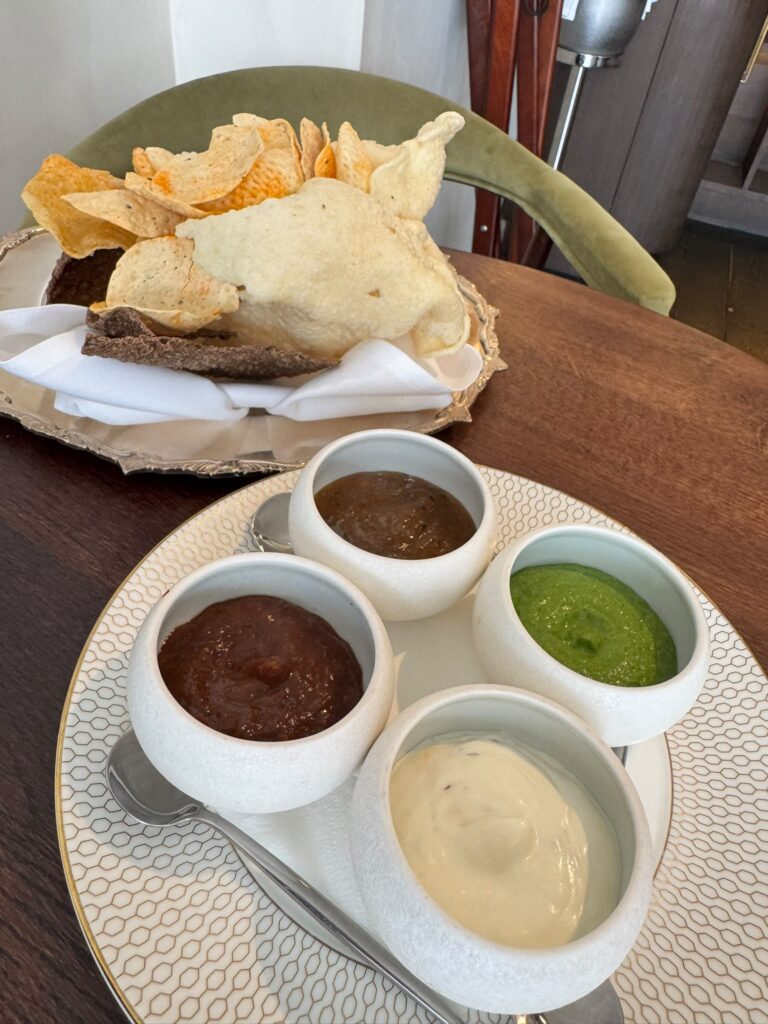
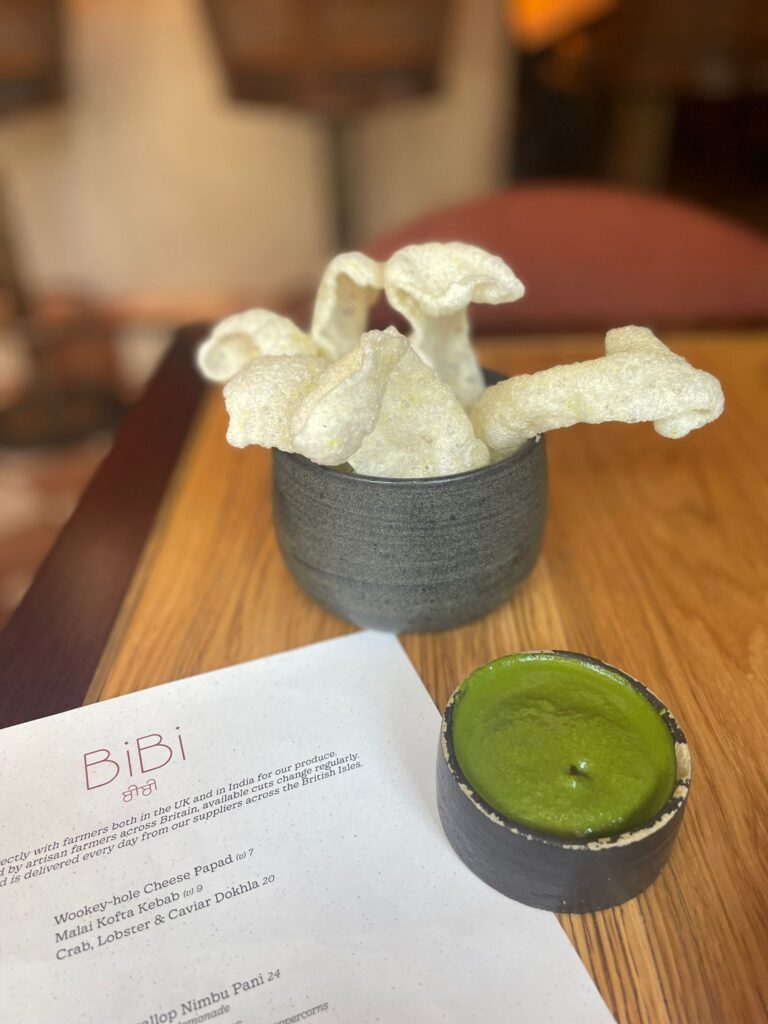
Twelve pounds for poppadoms. There are sentences capable of starting arguments in Indian restaurants, and that is one of them.
Fortunately, these weren’t the usual plate of pappers, accompanied by three traffic-light chutneys squeezed from Pataks Jars.
The selection was different and delicious. More importantly, the accompanying dips felt properly curated rather than merely provided. They were expertly made, balanced and distinct, with the green mint chutney the standout.
At £12, a poppadom has a considerable burden of proof. These began making their case.
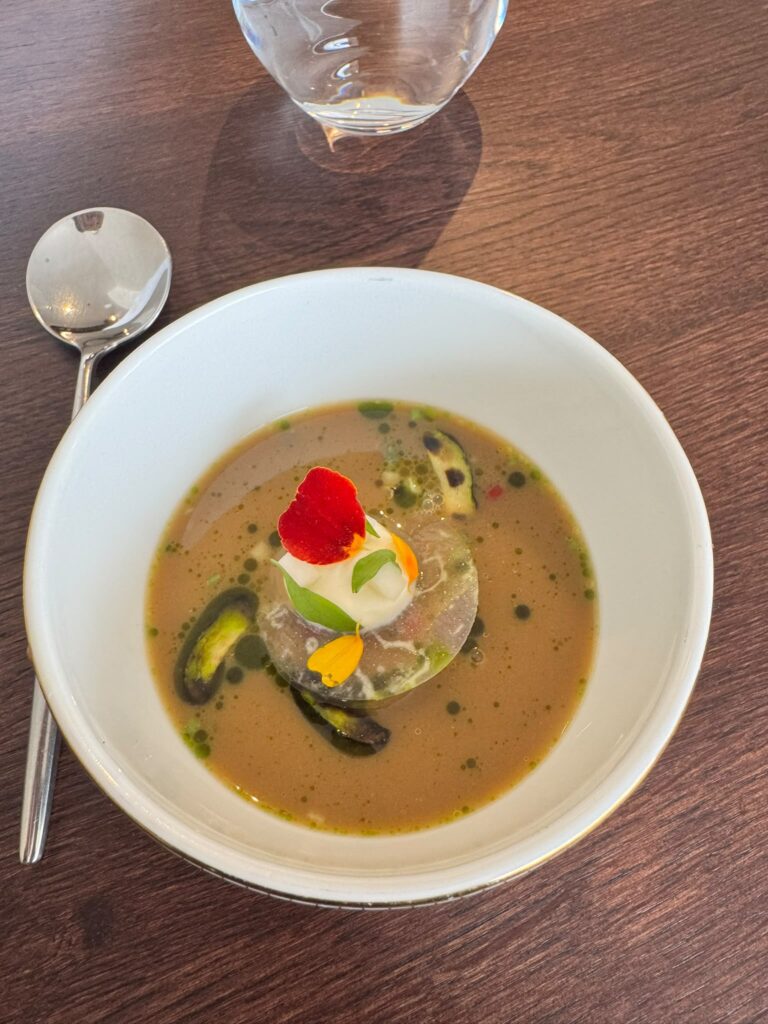
And then came the first moment when I thought: Ah. There you are, Mr Islam.
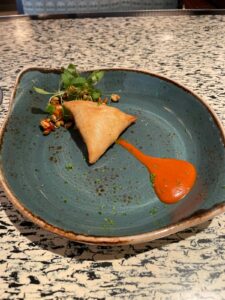
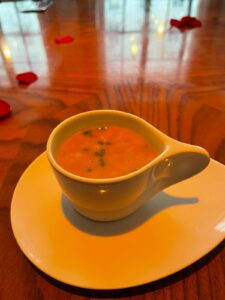
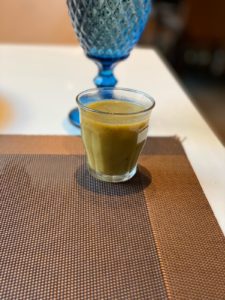
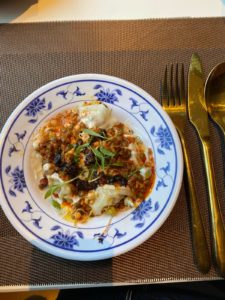
A small amuse-bouche arrived with lamb prepared almost tartare-style before the hot liquor met it. The intensely hot broth effectively micro-cooked the lamb, changing its texture as the dish came together.
The liquor was deep and intensely umami-rich, carrying subtle layers of spice rather than beating you over the head with them.
This was artful cooking. Creative cooking. But, crucially, delicious cooking.
There is sometimes a point in ambitious restaurants where dinner turns into a TED Talk and the chef becomes more interested in demonstrating technique than feeding you. This wasn’t that. The technique served the mouthful.
A standout.
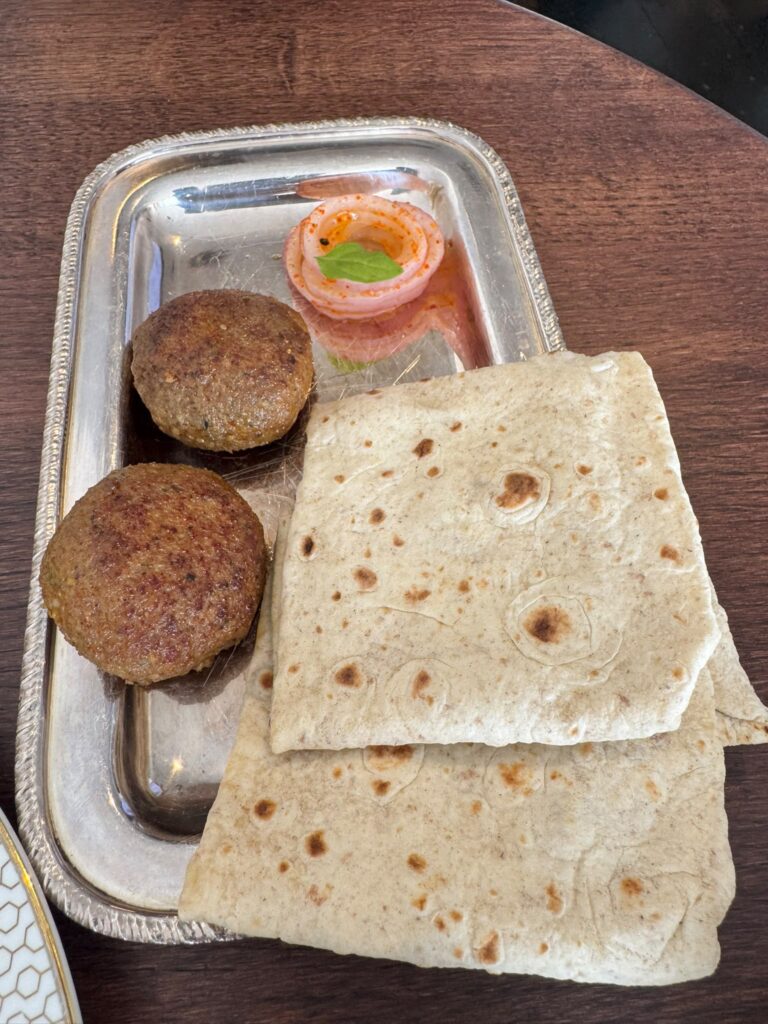
The Gilawat carries one of Lucknow’s great culinary legends. Various versions exist, but they share a wonderfully decadent premise: an ageing, toothless Nawab still desired his beloved kebabs, so his chefwala created minced meat of such extraordinary tenderness that teeth became essentially optional.
I, however, have an annoying habit. I like tasting the individual components first.
Technically, Oudh’s kebab appeared expertly constructed. The texture was there. But the flavour wasn’t quite there for me. It felt underseasoned, and underneath it I detected a peculiar, slightly metallic after note that I couldn’t quite put my finger on.
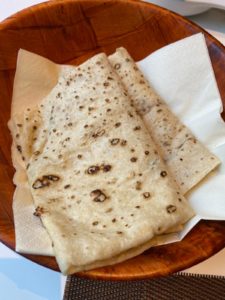
Then came the bread. Rather than the tissue-paper softness I associate with a proper roomali roti, this tasted to me more like an ordinary roti.
Perhaps I’m being pedantic. But when the entire mythology of a dish is based around extraordinary delicacy, the details matter.
I understood the concept. I admired the technique. I was underwhelmed by the eating.
Now I need to make an admission.
It is entirely possible that I simply don’t possess the palate for this level of cooking. Perhaps after decades around restaurants my palate still occasionally defaults to something more basic. I’m comfortable admitting that.
But I can only review the food that lands in my mouth, not the technique written on its CV.
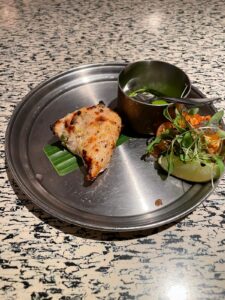
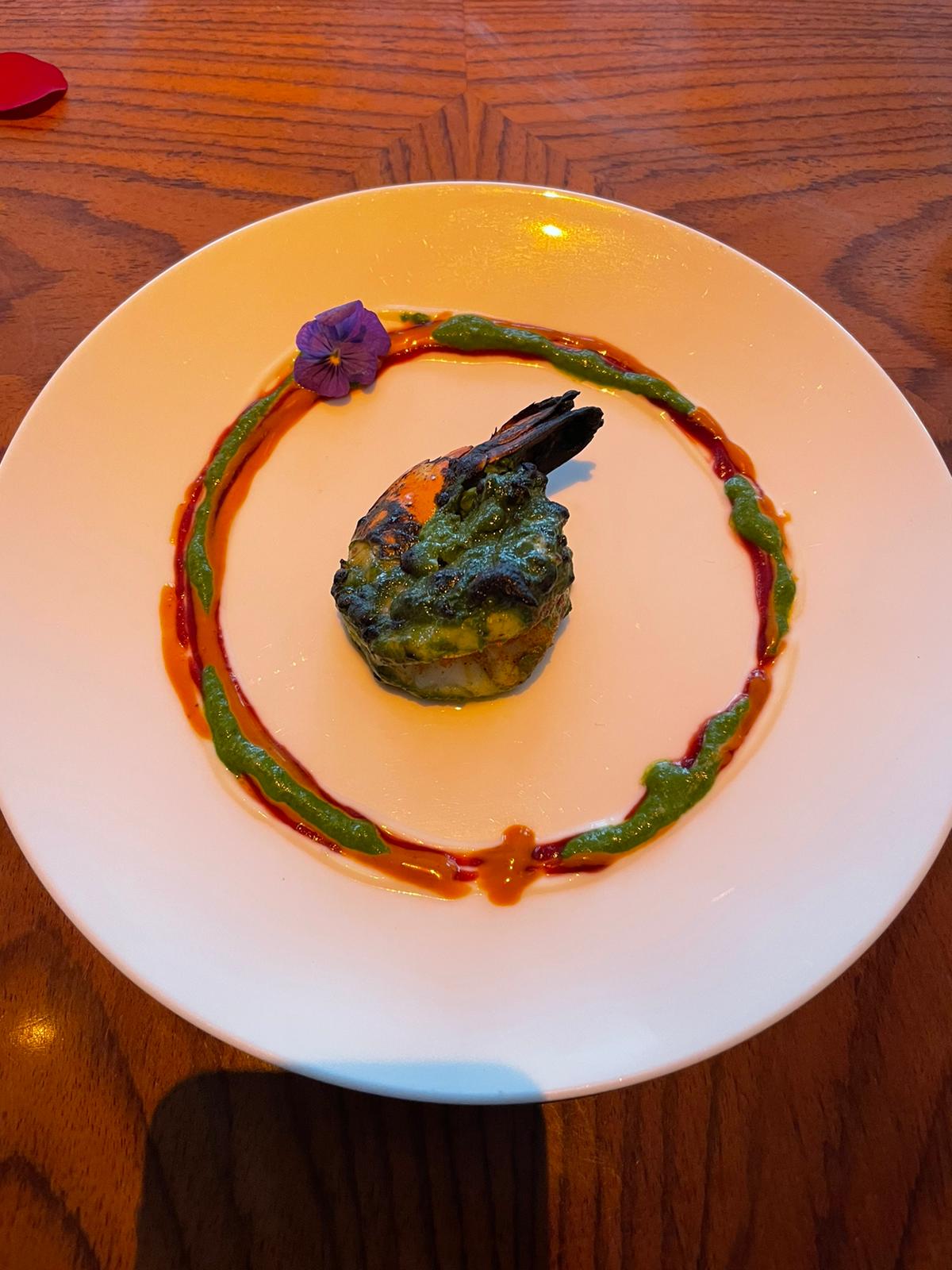
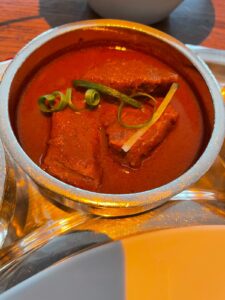
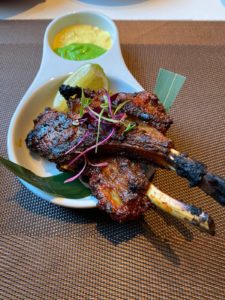
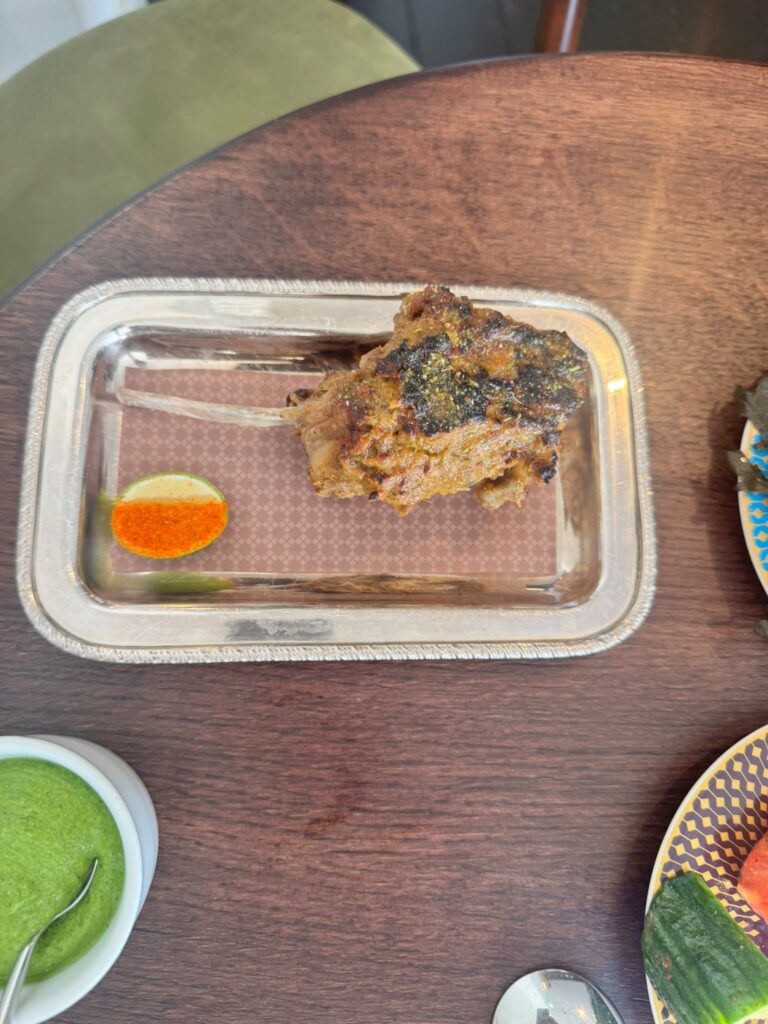
The Chaap was certainly a sight to behold. Dark, glossy and beautifully charred. Unfortunately, as I delved deeper, I found the appearance slightly superficial.
There was a faint gristly quality to the lamb. And I know the difference between fat and gristle.
There was also the question of doneness. The kitchen might reasonably call it al dente. I would call it slightly undercooked. And between those two descriptions lies one of the paradox in cooking.
For me, Oudh stepped fractionally onto the wrong side. The component marinade was perfectly fine, but considering how spectacularly the dish entered the room, I expected considerably more fireworks once it reached my mouth.
And then the money shot arrived.
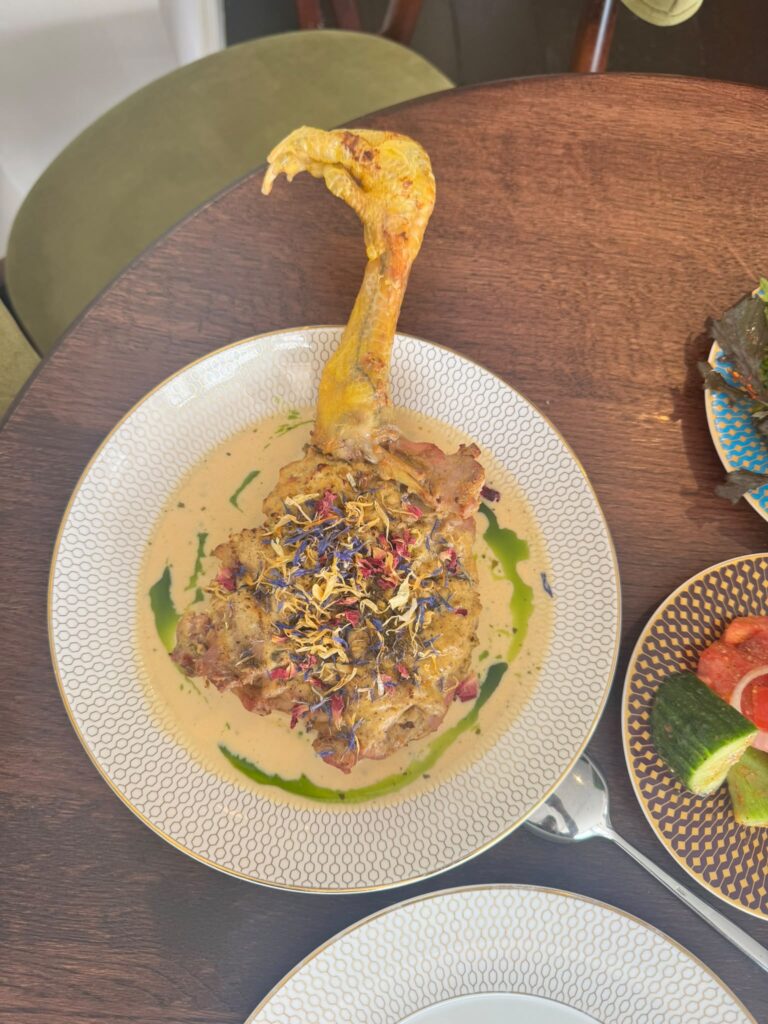
This thing stopped me in my tracks.
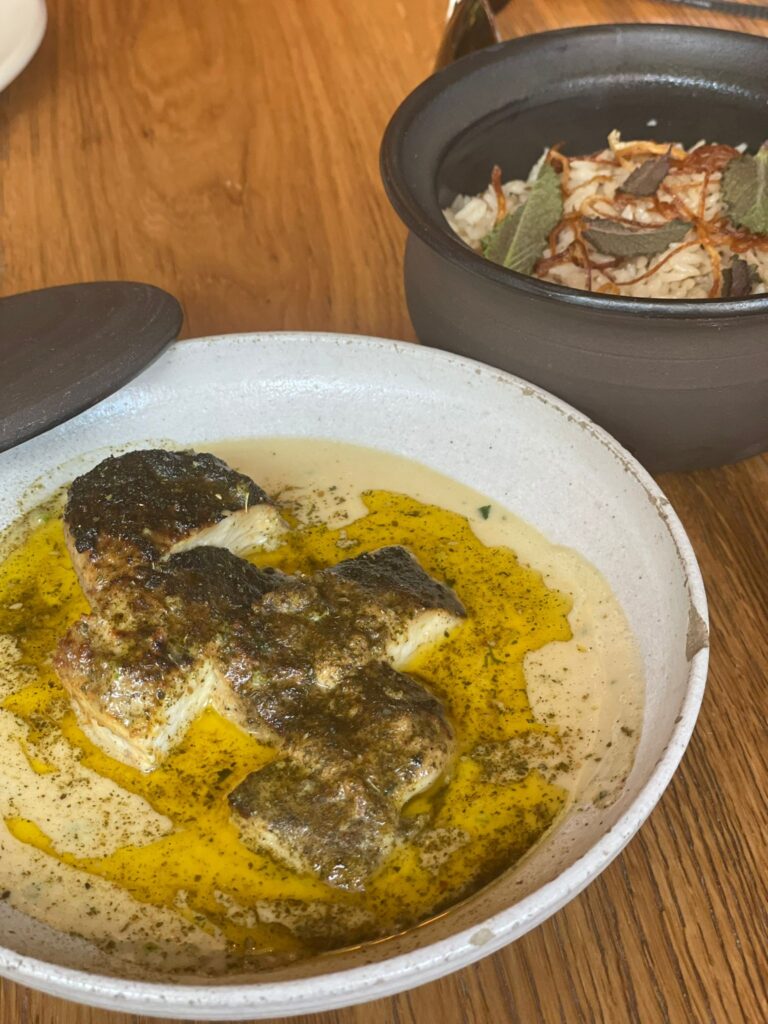
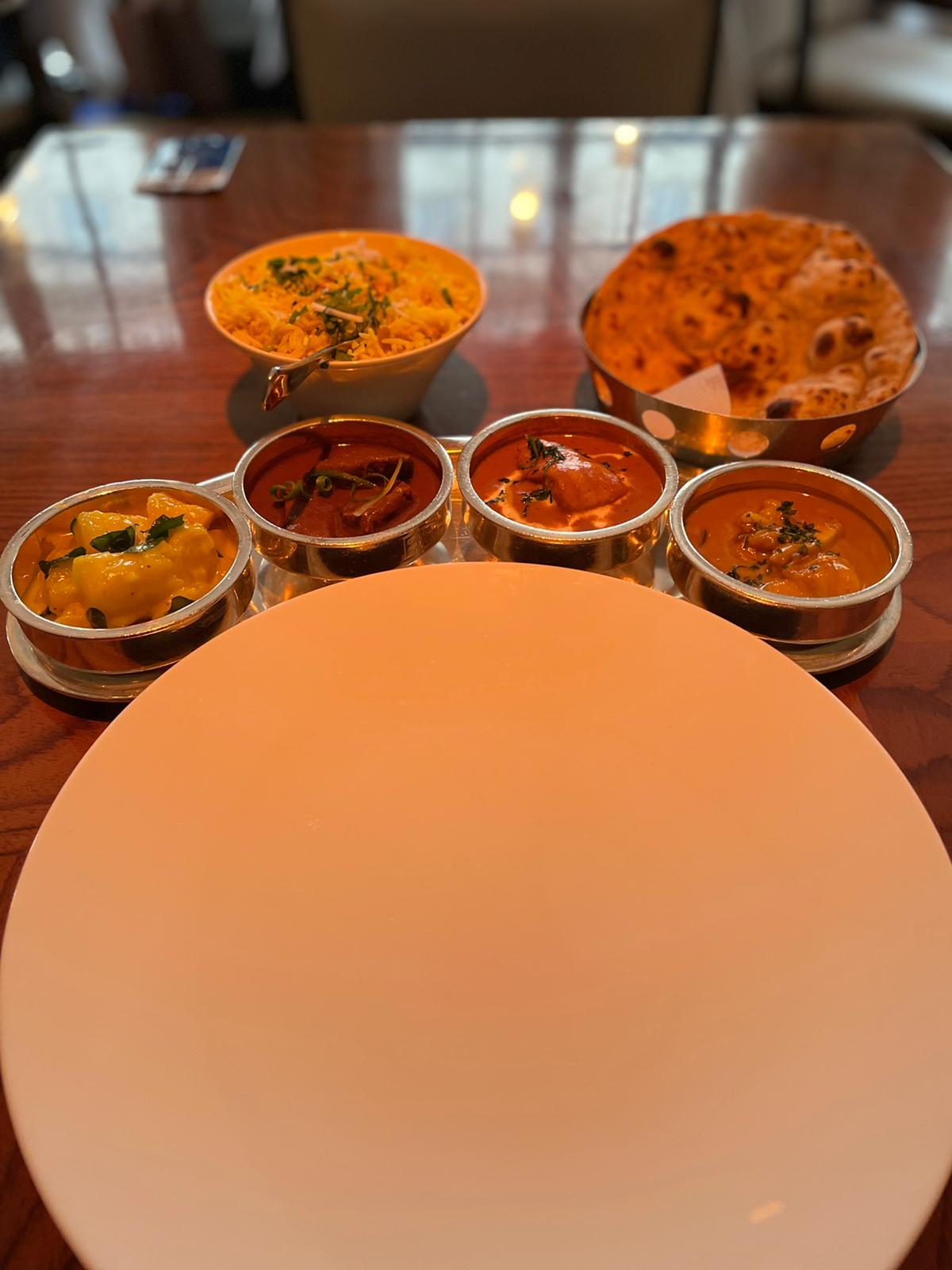
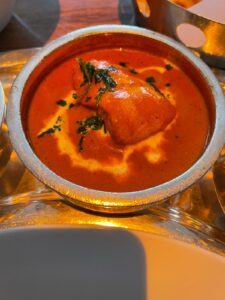
A magnificent whole chicken leg, apparently basted and cooked skin-on, presented in a pale malai jus. It looked fabulous.
Fortunately, unlike certain Instagram restaurants I could mention, its beauty wasn’t merely cosmetic.
The chicken was delicious. The texture was spot on, but the clever part was the skin. Crisp. Properly crisp.
Against that smooth malai jus, the contrast worked beautifully: crispy skin, succulent chicken and creamy sauce. Skin-on cooking is something I don’t encounter enough in this style of Indian restaurant cooking, and here it transformed the dish.
It was almost as if an Indian malai kebab had gone on holiday, met a French rotisserie chicken and produced a particularly handsome offspring.
Different. Clever. Delicious.
دودھ کا جلا چھاچھ بھی پھونک پھونک کر پیتا ہے”
(one who has been burned by milk blows on lassi before drinking it
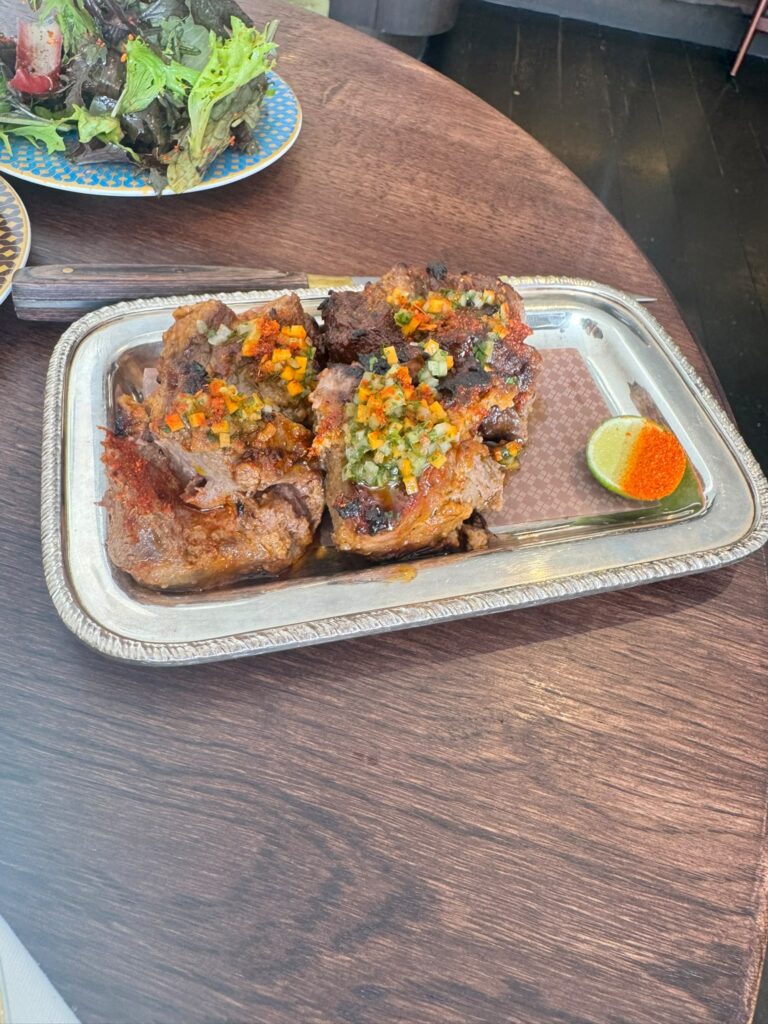
After the Chaap, I was already wondering whether my idea of correctly cooked meat and Oudh’s were simply different. Then came the Boti.
The menu rather intriguingly describes the meat as ‘ex-dairy cow’. It is a clever description because, consciously or otherwise, it manages expectations. This isn’t fillet or wagyu steak promising butter-soft tenderness. An older animal brings a different value proposition: more character, more chew, potentially more flavour.
Fine. I was ready for that bargain.
What I wasn’t ready for was another piece of meat that, to my palate, again felt undercooked.
Now the doubt started creeping in. Was I wrong? Was this exactly the texture the kitchen wanted? Had I become the culinary equivalent of the Neanderthal who orders wagyu steak well done and asks for Heinz Tomato sauce as a side? Possibly.
But two consecutive dishes had now produced essentially the same reaction.
Once bitten, twice shy. Once undercooked, twice suspicious.
Perhaps Oudh and I simply disagree about where that particular line should be drawn. And that’s OK. so we agree to disagree.
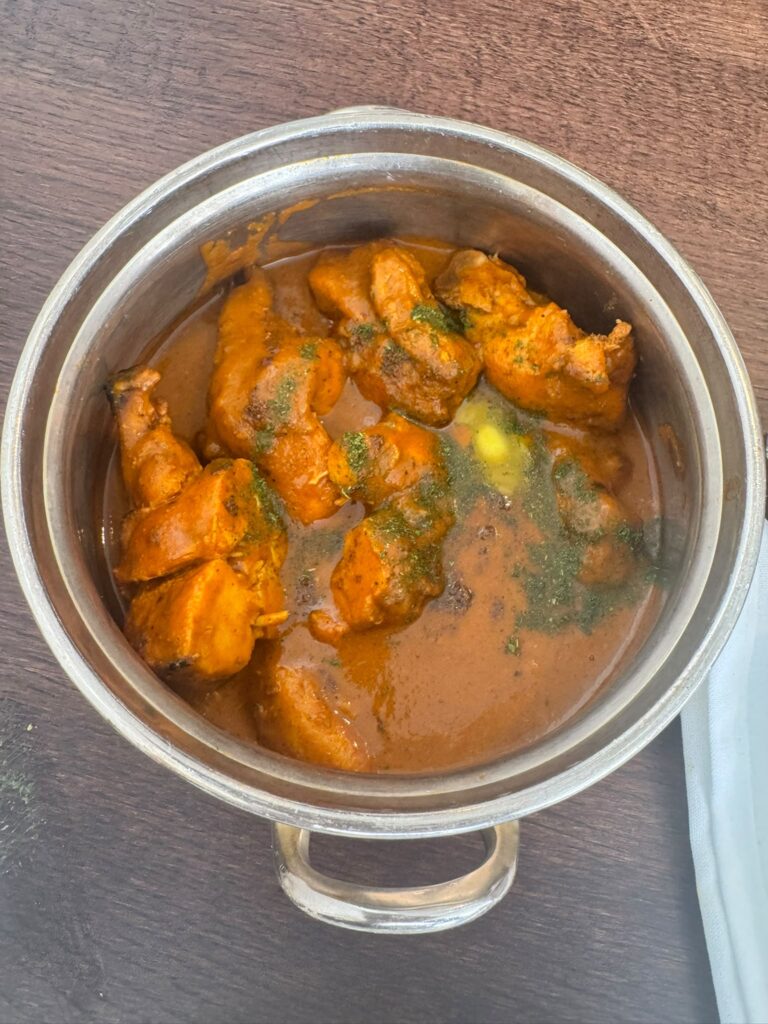
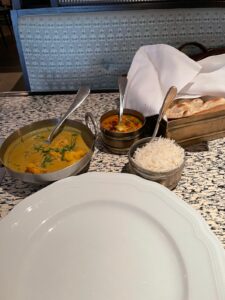
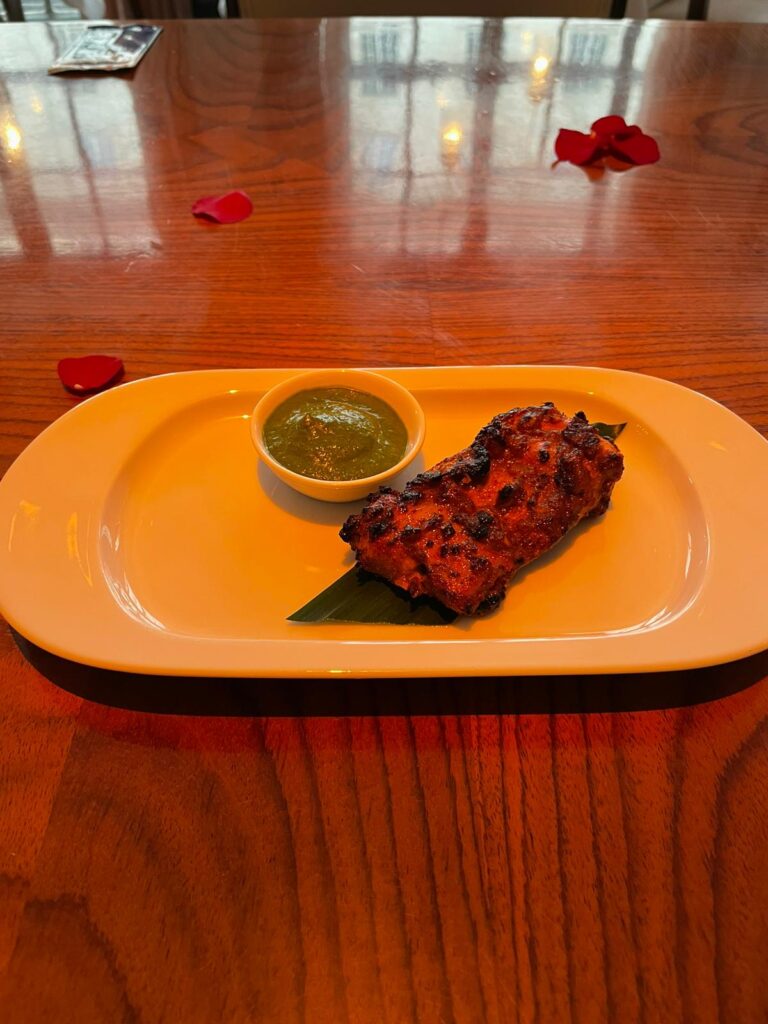
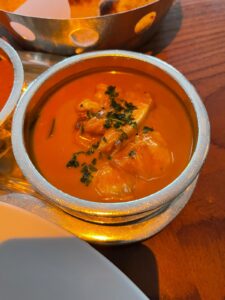
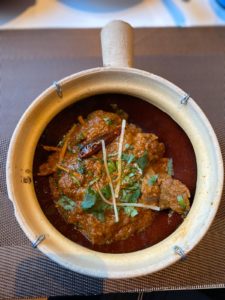
Then came something much more conventional: tandoori chicken, smoked tomato and cream.
The sauce was delicious. Smooth. Creamy. Gently spiced. Sophisticated. This wasn’t a sauce assembled with a ladle of base gravy and a prayer.
The disappointment was the chicken.
It came on the bone, which normally pleases me enormously. Give me something on the bone and I am perfectly happy metaphorically rolling my sleeves up, abandoning whatever table manners or pretences i had acquired and getting stuck in.
Unfortunately, there seemed to be rather more architecture than accommodation.
Plenty of bone. Not quite enough chicken.
The sauce deserved a more generous vehicle. A very good dish let down slightly by its protein.
Running With the Thoroughbreds
And then there is the elephant…or perhaps the thoroughbred, in the dining room.
At £168 for one person, Oudh isn’t competing with your local curry house. It has willingly trotted into the paddock containing London’s great Indian restaurants.
For me, Gymkhana remains the king.
There is something about Gymkhana that Oudh hasn’t yet captured: the confidence, depth, consistency and sheer completeness of the experience. The cooking doesn’t appear to be trying to convince you how clever it is. It simply arrives, rolls up its sleeves and tastes magnificent.
I don’t see Oudh dislodging Gymkhana from my personal throne any time soon.
Then there is Jamavar. Another serious thoroughbred. Polished Mayfair surroundings, accomplished Indian cooking and the sort of operation where food, room and service seem to understand precisely which race they have entered.
Oudh deserves to be discussed in this company. But on this particular visit, for me, it hasn’t yet overtaken them.
Gymkhana and Jamavar are mature racehorses. Oudh is still stretching its legs.
What makes it exciting is that underneath the occasional misstep , the Gilawat that didn’t quite sing, the Chaap and Boti whose doneness I questioned, the Gulnaar searching for a little more chicken, I could see flashes of something formidable.
The Shorba. That Malai Murgh. The sophistication of the sauces. The confidence of the presentation. And the warmth of the room.
So no, the king hasn’t been dethroned.
But there is a new horse in the paddock. And I’ll be watching what it does next but also it has to be said that in London if you have not presented your best effort from the onset then London is very unforgiving.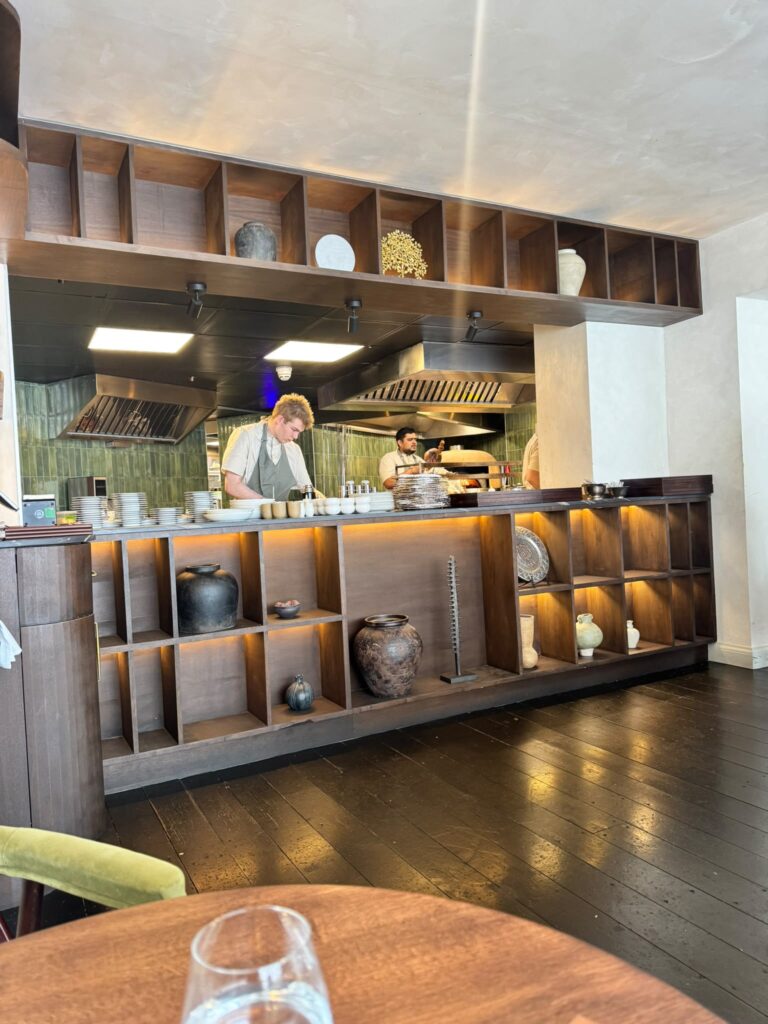
In Conclusion
So. The difficult second album.
Oudh is unquestionably a serious restaurant.
The hospitality is warm. The room works. The concept has intellectual integrity. And, importantly, this isn’t Opheem London. That would have been the easy commercial decision.
Instead, Islam has gone backwards to move forwards, taking a centuries-old culinary tradition from Lucknow and attempting to express it through modern British produce and contemporary restaurant technique.
At its best, Oudh was excellent. The Shorba was imaginative, technically fascinating and deeply delicious. The Malai Murgh showed what happens when technique, texture and pleasure all shake hands. Even a humble mint chutney reminded me that somebody in this kitchen is paying attention.
But there were misses. The Gilawat didn’t deliver the delicacy its mythology promised me. The Chaap and Boti both left me questioning the cooking of the meat. The Gulnaar contained a sophisticated, delicious sauce looking for rather more chicken.
And perhaps that is precisely why second restaurants are so fascinating.
Star of the Meal
Shorba — for me, the most complete expression of what Oudh is trying to do. Technique, theatre and creativity, but all subordinate to flavour.
The Malai Murgh was a also ran.
Miss of the Meal
Chaap / Boti Kebab, not disasters per say, far from it, but both left me questioning the doneness and texture of the meat. At this level, those fine margins become enormous canyons.
Halal Rating
Halal status to be confirmed directly with Oudh for the final published classification.
Alcohol is served.
100% Impartial Guarantee
As always, Alfie Foodwala visits anonymously and pays his own bill.
No freebies. No invitations. No brown envelopes stuffed with used £20 notes.
Just one man’s palate, one man’s opinion and, occasionally, one man’s inability to agree with a chef about when a piece of meat is cooked.



 1-5 Bloomberg Arcade, London EC4N 8ARHey Foodwala Boys and Girls… hope you are all well